Wilmington, MA · Middlesex County
Basement Water Removal in Wilmington, MABasement Wall Drying & Basement Water Pump Out
Basement Water Removal in Wilmington covers basement water pump out, basement wall drying and basement dehumidification after a flood.
Answered 24/7
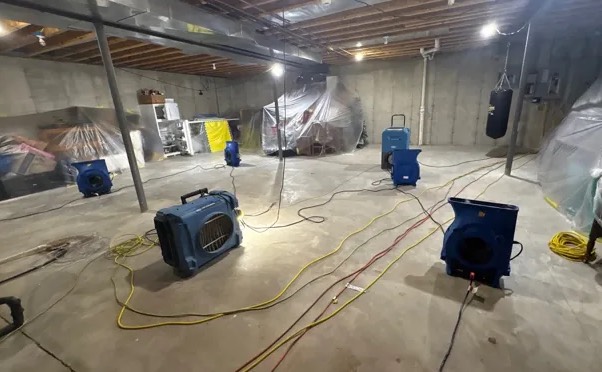
Professional Basement Water Removal in Wilmington, MA
In Wilmington homes with a basement or below-grade room, water usually comes from storms, sewer backups or plumbing leaks overhead. The source decides how the water is handled and what can be saved.
Homeowners in Wilmington can call (857) 367-8060 day or night when the basement is taking on water. Service also covers Burlington, Reading and Woburn, with the same pumping and drying steps.
Basement Water Removal Services in Wilmington
Basement Wall Drying
Opening the bottom of finished walls lets air reach the studs and sill plate, which otherwise stay wet behind the drywall.
Basement Water Pump Out
A pump-out removes standing water from the basement with submersible pumps, discharging it outside and away from the foundation.
Emergency Basement Flooding
A flooded basement threatens the furnace, water heater and anything stored on the floor. Fast pumping protects what can still be saved.
Sump Pump Failure Water Cleanup
A backup pump or battery system is worth discussing with a plumber after the cleanup, since sump failures often repeat in storms.
Basement Drying Services
After pumping, air movers and dehumidifiers dry the walls, framing and slab. Readings are taken daily until every surface is back to normal.
Warning Signs You Need Basement Water Removal
Musty Odors and Mold Smell
A musty or damp smell in the basement points to wet materials hidden somewhere in the space.
High Humidity and Condensation
Water on pipes and windows, or a constantly clammy feel, means basement humidity is too high.
Mold or Mildew
Dark spots on drywall, framing or stored items mean the area has stayed wet for days.
Wet or Damp Basement Walls
Basement walls that look dark, feel damp or show tide lines are taking on or holding water.
How Basement Water Removal Works in Wilmington
Step 1: Source Control and Water Pump Out
The leak is shut off and standing water is pumped out, starting at the lowest point.
Step 2: Water Extraction
Extractors pull water from carpet, pad and concrete, and wet vacs clear corners and stairs.
Step 3: Dehumidification and Drying
Large dehumidifiers and air movers dry walls, framing and slab over several days.
Step 4: Inspection and Clearance for Repair
Final readings confirm the basement is dry and ready for drywall and flooring repairs.
What Causes Water Damage in Basements
Window Well Leaks and Drainage
Window wells without drains or covers fill with rain and leak through the windows.
Plumbing Leaks or Pipe Bursts
Supply lines, drain pipes and water heaters in the basement can leak or burst onto the floor.
Sewer Line Backups and Blockages
A blocked sewer line can push wastewater up through basement floor drains and toilets.
Improper Landscape Grading
Soil that slopes toward the house directs rainwater straight to the basement walls.
Residential and Commercial Basement Water Removal in Wilmington
Residential Basement Water Removal
Older homes with a basement may see seepage with every heavy storm. Water removal handles the current damage, and the entry point is noted for a waterproofing contractor.
Commercial Basement Water Removal
Multi-unit buildings with shared basements need each storage and laundry area pumped, dried and documented for the property manager.
Why DIY Basement Water Removal Often Fails in Wilmington
You can move belongings up off the floor and run the dehumidifier you already own. Drying soaked walls and slab needs larger equipment and readings to confirm the job is done.
Investing in Professional Basement Water Removal
A basement pumped out the same day in Wilmington usually needs less drywall and flooring replaced than one left wet for days.
Time of Service
Night, weekend and storm calls can cost more than a scheduled weekday visit.
Additional Services
Antimicrobial treatment, contents cleaning and repairs after drying add to the cost.
Affected Materials
Finished walls, carpet and laminate take more removal work than bare concrete.
Does Insurance Cover Basement Water Removal?
Photos, moisture readings and drying logs from local water damage pros help support an insurance claim for basement water damage in Wilmington.
Advantages of Local Basement Water Removal Experts
Contamination Safety Protocols
Sewage and dirty water are handled with protective gear, containment and disinfection.
Methodical Water Removal Process
Water is removed in a set order: pump-out, extraction, removal of soaked materials, then drying.
Focus on Drying Outcomes
Drying continues until readings are normal, not just until surfaces look dry.
24/7 Basement Water Removal When You Need It
Standing water in a basement soaks walls and floors by the hour. Call (857) 367-8060 for basement water removal in Wilmington at any time, day or night.
Call Now (857) 367-8060Local Basement Water Removal Coverage for Burlington, Reading and Woburn
Nearby areas served for basement water removal include Burlington, Reading and Woburn, with the same pumping and drying steps used in Wilmington.
- Basement Water Removal in Burlington
- Basement Water Removal in Reading
- Basement Water Removal in Woburn
- Basement Water Removal in Billerica
- Basement Water Removal in North Reading
- Basement Water Removal in Tewksbury
- Basement Water Removal in Andover
- Basement Water Removal in Stoneham
- Emergency Damage Restoration in 01887
- Storm Damage Restoration in 01887
- Water Damage Restoration in 01887
- Water Extraction Service in 01887
- Water Leak Detection in 01887
- Water Removal Service in 01887
Common Basement Water Removal Questions Answered
What is emergency basement flooding response?
Help any hour to make power safe, stop the source, pump out water and start drying before more damage sets in.
What equipment is used for basement water extraction?
Submersible pumps, extractors, wet vacs, air movers, large dehumidifiers and moisture meters to confirm drying.
Is a sump pump failure an emergency?
Yes, especially during rain. Groundwater can rise quickly once the pump stops, flooding the floor and finished rooms.
How is contaminated water handled in a basement?
With protective gear, containment, removal of porous materials and disinfection of hard surfaces before drying.
What is the difference between a pump out and extraction?
A pump out removes deep standing water. Extraction pulls the remaining water from carpet, pad and floors.