Smithfield, RI · Providence County
Roof Leak Water Removal in Smithfield, RIWall Cavity Drying & Emergency Roof Tarping
Local water damage pros in Smithfield provide roof leak water removal with emergency roof tarping, wall cavity drying and structural drying services.
Answered 24/7
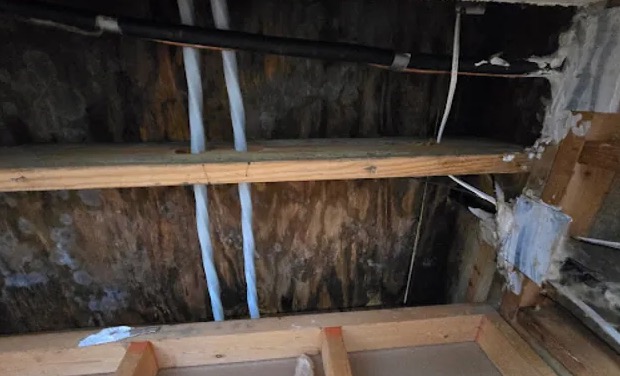
Roof Leak Cleanup and Drying in Smithfield
Water from a roof leak lands on the ceiling first. Drywall can hold only so much before it sags, so getting water out of the attic quickly protects the room below.
Roof leak water removal is available in Smithfield and nearby North Smithfield, Lincoln and Woonsocket. The pros tarp the opening if needed, extract the water and dry the attic framing and ceiling drywall.
Roof Leak Water Removal Services in Smithfield
Wall Cavity Drying
Water that follows a top plate or a pipe chase can soak insulation inside a wall. Moisture meters find it, and air is pushed into the cavity to dry it.
Emergency Roof Tarping
Tarping is a stopgap. It keeps the next rain out of the attic and ceilings until a roofer can replace the decking, flashing or shingles.
Ceiling Water Damage Cleanup
If water is trapped above the ceiling, the pros drain it through a small controlled hole, then dry the joists and decide what drywall must come down.
Leak Source Identification
The pros follow the water trail from the stain up through the attic to the decking, flashing or vent where rain is getting in, and note it for the roofer.
Wet Contents Protection
Furniture, rugs and boxes under the leak are moved, blocked up or covered. Wet items are listed and photographed before they are dried or set aside.
When a Roof Leak Needs Water Removal
Dark Spots on Attic Wood
Dark streaks or spots on rafters and roof decking show where water has been running or sitting for a while.
Gutters Spilling Over the Roof Edge
Gutters that overflow toward the house during storms can push water under the shingles and into the wall top plates.
Rusty Nails in the Attic
Rust on roofing nails or metal straps in the attic means moisture has been collecting there over many rains.
Sagging or Bulging Drywall
A ceiling that bulges or feels soft is holding water. It can give way, so keep people and pets out of the room.
How Roof Leak Water Removal Works in Smithfield
Step 1: Stop the Water
The opening in the roof is tarped and drips inside are caught, so no more rain reaches the attic while the cleanup starts.
Step 2: Attic Water Extraction
Standing water is pulled from the attic floor and from on top of the ceiling with wet vacuums and portable extractors.
Step 3: Remove Wet Insulation
Soaked insulation is bagged and taken out so the drywall and joists underneath are open to air.
Step 4: Structural Drying
Air movers and dehumidifiers dry the rafters, decking and ceiling, with readings taken each day until the wood is dry.
Where Roof Leaks Start in Smithfield
Ice Dam Formation
In freezing weather, ice at the roof edge traps melting snow, and the water backs up under the shingles into the attic.
Aging Roofing Materials
As shingles age they curl, lose granules and crack, and slow leaks start where the roof covering has worn thin.
Cracked Vent Boots
The rubber collars around plumbing vents dry out and split with age, letting rain drip down the pipe into the attic.
Open Roof Valleys
Valleys carry the most water on a roof. Worn or poorly sealed valleys let that concentrated flow into the decking.
Residential and Commercial Roof Leak Water Removal in Smithfield
Residential Roof Leak Water Removal
In older Smithfield homes, leaks often follow old chimney chases or plaster ceilings. The pros check these areas closely because plaster holds water longer than drywall.
Commercial Roof Leak Water Removal
Warehouses and shops with large roof areas can have several leaks at once. The pros map each wet area, extract water and dry the structure section by section.
Roof Leak Water Removal vs. DIY: When to Call Water Damage Pros
Fans and a household dehumidifier help a damp room, but they rarely dry an attic or a soaked ceiling. Wet insulation needs to come out first.
Pricing Roof Leak Water Removal in Smithfield
Costs rise when water has reached walls and floors below the attic, because each level needs its own extraction and drying setup.
Emergency Tarping
If the roof needs a tarp before drying can start, the materials and labor for that step add to the bill.
Belongings in the Way
Moving and drying furniture, stored boxes and electronics under the leak adds time to the job.
Drying Time
Each extra day of air movers, dehumidifiers and moisture checks adds to the cost, so wet wood that dries slowly costs more.
Does Insurance Cover Roof Leak Water Removal?
Coverage often depends on what caused the leak. Storm damage is more likely to be covered than a leak from shingles that wore out over years.
Why Professional Roof Leak Water Removal Pays Off
Finding Hidden Water
Thermal cameras and moisture meters find wet insulation and wall cavities that are not visible from the room below.
Records for Your Claim
Photos, readings and a materials list give your adjuster a clear picture of what the roof leak damaged.
Wet Insulation Handled
Soaked insulation is bagged and removed so the ceiling and framing can dry instead of staying damp under it.
24/7 Emergency Roof Leak Water Removal in Smithfield
Roof leaks get worse with every hour of rain. Call (857) 367-8060 any time for tarping, attic extraction and drying in Smithfield.
Call Now (857) 367-8060Roof Leak Water Removal Service Area Around Smithfield
Homes in Smithfield and nearby places such as North Smithfield, Lincoln and Woonsocket can get help with attic water extraction, wet insulation and ceiling drying after a roof leak.
- Roof Leak Water Removal in North Smithfield
- Roof Leak Water Removal in Lincoln
- Roof Leak Water Removal in Woonsocket
- Roof Leak Water Removal in Johnston
- Roof Leak Water Removal in North Providence
- Roof Leak Water Removal in Central Falls
- Roof Leak Water Removal in Providence
- Roof Leak Water Removal in East Providence
- Emergency Damage Restoration in 02917
- Storm Damage Restoration in 02917
- Water Damage Restoration in 02917
- Water Extraction Service in 02917
- Water Leak Detection in 02917
- Water Removal Service in 02917
Questions About Roof Leak Water Removal
How do the pros find where a roof is leaking?
They trace the water from the stain up into the attic, follow it along the rafters and decking, and use moisture meters to find the entry point.
What happens after the water is removed?
Drying equipment runs and the pros take readings until the attic and ceiling are dry. Then the roofer and drywall repairs can go ahead.
Can a roof leak cause mold in the attic?
Yes, if the wood and insulation stay wet. Prompt extraction and drying, plus removing soaked insulation, keep the attic from staying damp long enough for mold.
Does a stained ceiling always need to be replaced?
No. If moisture readings show the drywall is firm and dries out, it can often stay and be primed and painted. Soft or sagging sections are replaced.
What tools help find a hidden roof leak?
Moisture meters, thermal cameras and a careful look at the attic decking help the pros spot wet areas that are not visible from below.