Danvers, MA · Essex County
Clean Water Extraction (Category 1) in Danvers, MAClean Water Removal From Flooring & Wall Cavity Water Extraction
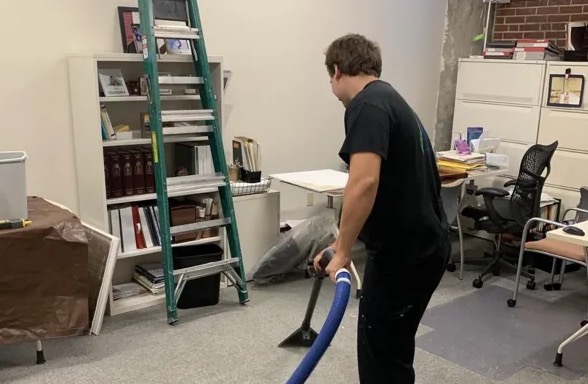
Clean Water Extraction (Category 1) in Danvers covers standing water pump out, wet carpet water extraction and hard surface floor drying.
Answered 24/7
Clean Water Extraction (Category 1) Solutions in Essex County
Clean water does not stay clean forever. In Danvers, water that sits for more than a day or two picks up dirt from floors and starts to support bacteria, which can turn it into a more serious category.
Homes and businesses in Danvers and nearby Peabody, Beverly and Salem see clean water leaks from supply lines, water heaters and appliances. Help with clean water extraction (category 1) covers pump out, extraction and drying while the water is still clean.
Clean Water Extraction (Category 1) and Water Removal in Essex County
Clean Water Removal From Flooring
Clean water is removed from every type of flooring in the affected area, from carpet to tile to wood, using the method that suits each.
Wall Cavity Water Extraction
Moisture readings show how high water wicked into the wall, so only the wet part is opened.
Wet Carpet Water Extraction
Carpet pad is checked after extraction. Pad soaked through is often replaced, while the carpet above is floated and dried.
Standing Water Pump Out
Standing water from a supply line or appliance is pumped out with submersible pumps when it is more than shallow, then floors are extracted.
Hard Surface Floor Drying
Laminate and vinyl plank are checked for water trapped beneath. Planks that cupped or lifted are noted for replacement.
How to Know You Need Clean Water Extraction (Category 1) in Danvers
Puddles in Unused Rooms
Water appearing in rooms no one uses often comes from a hidden supply line leak inside a wall or under a floor.
Wet Carpets or Rugs
Carpets and rugs that are wet or squish underfoot are holding water in the pad below.
Standing Water in Basement
Standing water on a basement floor from a pipe or appliance needs pumping before it soaks walls and stored items.
Musty Odors After a Leak
A musty smell a day or two after a leak means water is still trapped in carpet, walls or subfloor.
How Clean Water Extraction (Category 1) Works in Danvers
Step 1: Leak Identification and Control
The leaking line, appliance or fixture is found and shut off so no more water enters.
Step 2: Water Removal Process
Water is removed quickly while it is still clean, which keeps more materials salvageable.
Step 3: Dehumidification
Dehumidifiers pull moisture from the air so walls, floors and cabinets can dry evenly.
Step 4: Post-Drying Documentation
Photos, readings and drying logs are provided for your records and insurer.
What Causes Water Damage in Danvers Homes
Plumbing Fixture Leaks
Faucets, valves and fixtures develop slow leaks that wet cabinets and floors over time.
Supply Line Breaks
Toilet, faucet and appliance supply lines split or loosen and release water under pressure.
Overflowing Sinks or Tubs
Sinks and tubs left running overflow with clean water onto floors and into rooms below.
Water Heater Failure
Water heaters leak or burst as tanks corrode and fittings wear out.
Clean Water Extraction (Category 1) in Danvers: Residential and Commercial
Residential Clean Water Extraction (Category 1)
In homes, clean water leaks usually come from laundry rooms, kitchens and water heater closets. Water is extracted, belongings protected and floors and walls dried so they can stay.
Commercial Clean Water Extraction (Category 1)
In offices and stores, a supply line break can soak carpet and walls across several rooms. Extraction and drying are planned around business hours to keep the space open.
Clean Water Extraction (Category 1) vs. DIY Cleanup in Danvers
Do not walk into standing water if outlets or cords are submerged. Turn off power at the panel only if you can reach it from a dry spot, then call for help.
Considerations for Clean Water Extraction (Category 1) Expenses in Danvers
Clean water extracted the same day in Danvers usually costs much less to dry than water left until it soaks into walls and subfloors.
Material Saturation Level
Materials soaked through take longer to dry than materials that were only damp on the surface.
Emergency Service Timing
Night, weekend and holiday calls can cost more than a scheduled weekday visit.
Affected Square Footage
More square feet of wet flooring and walls means more extraction and more drying equipment.
Does Insurance Cover Clean Water Extraction (Category 1)?
The failed appliance or pipe itself is often not covered, even when the water damage is. Ask your adjuster how your policy treats each.
Why Choose Local Pros for Clean Water Extraction (Category 1) in Danvers
Detailed Damage Documentation
Photos, readings and drying logs are kept to support your insurance claim.
24/7 Emergency Response
Help is available day or night, so clean water is extracted before it soaks deeper or gets dirtier.
Drying Plan
Drying follows a set plan based on readings, with equipment moved as each area dries.
24/7 Clean Water Extraction (Category 1) Available in Danvers
If water is near outlets or cords, turn off power at the panel if it is safe and stay out of the water. Then call (857) 367-8060 for help in Danvers.
Call Now (857) 367-8060Local Clean Water Extraction (Category 1) Areas Including Danvers
Clean water extraction also covers homes and businesses in Peabody, Beverly and Salem, close to Danvers, day or night.
- Clean Water Extraction (Category 1) in Peabody
- Clean Water Extraction (Category 1) in Beverly
- Clean Water Extraction (Category 1) in Salem
- Clean Water Extraction (Category 1) in Marblehead
- Clean Water Extraction (Category 1) in Swampscott
- Clean Water Extraction (Category 1) in Lynn
- Clean Water Extraction (Category 1) in Wakefield
- Clean Water Extraction (Category 1) in Saugus
- Emergency Damage Restoration in 01923
- Storm Damage Restoration in 01923
- Water Damage Restoration in 01923
- Water Extraction Service in 01923
- Water Leak Detection in 01923
- Water Removal Service in 01923
Clean Water Extraction (Category 1) Information and FAQs
What happens after the water is pumped out?
Carpet and floors are extracted, walls and subfloors are checked with meters and drying equipment runs until readings are normal.
What methods are used for water behind walls?
Small holes or removed baseboards let air into the cavity, wet insulation is removed and the wall is dried until readings are normal.
Are air movers and dehumidifiers always necessary?
For anything beyond a small surface spill, yes. The pros dry the water that soaked into carpet, walls and subfloors.
What should I do while waiting for water removal help?
Shut off the water, turn off power to wet areas if safe, move valuables and take photos of the damage.
How is moisture detected after water extraction?
Moisture meters and thermal cameras check floors, walls and ceilings, comparing readings to dry, unaffected areas.