Swampscott, MA · Essex County
Basement Water Removal in Swampscott, MABasement Water Pump Out & Basement Drying Services
After a burst pipe or storm, Basement Water Removal in Swampscott means basement water pump out, basement wall drying and basement drying services.
Answered 24/7
Reliable Basement Water Removal Near Swampscott, Massachusetts
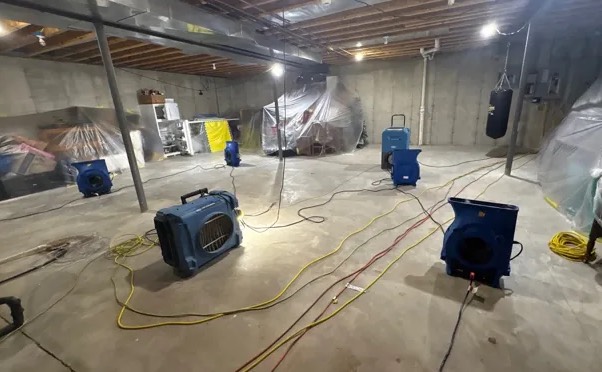
Dehumidification is the slow but necessary part of basement water removal in Swampscott. Pumps remove standing water quickly, but walls and concrete keep releasing moisture for days.
Homes in Swampscott and nearby Lynn, Marblehead and Salem with basements face storm seepage, sewer backups and plumbing leaks. Help with basement water removal covers pump-out, wall and floor drying and dehumidification.
The Basement Water Removal Process in Swampscott
Basement Water Pump Out
When water is more than an inch or two deep, pumps move it far faster than wet vacs, which limits how long walls sit in water.
Basement Drying Services
After pumping, air movers and dehumidifiers dry the walls, framing and slab. Readings are taken daily until every surface is back to normal.
Basement Wall Drying
Concrete and block walls dry with directed airflow and dehumidification, which pull water out of the masonry.
Basement Floor Water Damage
Concrete floors are squeegeed, extracted and dried with airflow and dehumidifiers until moisture readings drop.
Sump Pump Failure Water Cleanup
Cleanup after a sump failure includes drying the area around the pit and noting whether the pump, switch or power was the cause.
Indicators You Need Professional Water Removal
Efflorescence on Concrete Walls
White, powdery deposits on concrete walls mean water is passing through the masonry.
Mold or Mildew
Dark spots on drywall, framing or stored items mean the area has stayed wet for days.
Soggy or Wet Carpeting
Carpet that feels damp or smells sour is holding water in the pad against the concrete.
Gurgling Sounds From Drains
Gurgling floor drains or slow drains can be an early sign of a sewer line problem.
How Basement Water Removal Works in Swampscott
Step 1: Safety Assessment and Pump Out
Electrical hazards are checked, then deep water is pumped outside away from the foundation.
Step 2: Content Removal and Damage Documentation
Wet belongings are moved, and photos record the water level and damaged materials.
Step 3: Targeted Water Removal and Drying
Carpet is extracted, wet drywall is cut back and air is aimed at walls and the slab.
Step 4: Sanitization and Moisture Control
Surfaces touched by dirty water are disinfected, and dehumidifiers keep humidity low.
Why Basements Flood in Swampscott
Foundation Cracks and Seepage
Cracks in foundation walls and the slab let groundwater seep in during wet weather.
Plumbing Leaks or Pipe Bursts
Supply lines, drain pipes and water heaters in the basement can leak or burst onto the floor.
Sump Pump Malfunction or Power Loss
A sump pump that fails mechanically or loses power during a storm lets groundwater rise.
Window Well Leaks and Drainage
Window wells without drains or covers fill with rain and leak through the windows.
Residential and Commercial Basement Water Removal in Swampscott
Residential Basement Water Removal
In homes, a wet basement often means damaged carpet, drywall and stored belongings, plus a furnace or water heater sitting in water. Water is pumped out and the space dried.
Commercial Basement Water Removal
In commercial buildings, basements often house mechanical rooms and storage. Water is removed quickly so systems can be checked and restarted safely.
Basement Water Removal vs. DIY: When to Call the Pros
Fans by themselves can spread damp basement air through the rest of the house. Basement drying needs dehumidifiers that pull moisture out of both the air and the concrete.
Understanding Basement Water Removal Pricing
A basement pumped out the same day in Swampscott usually needs less drywall and flooring replaced than one left wet for days.
Affected Materials
Finished walls, carpet and laminate take more removal work than bare concrete.
Additional Services
Antimicrobial treatment, contents cleaning and repairs after drying add to the cost.
Time of Service
Night, weekend and storm calls can cost more than a scheduled weekday visit.
Does Insurance Cover Basement Water Removal?
Ask your adjuster early how your policy treats seepage and sewer backups, since many policies limit or exclude both kinds of water.
Why Swampscott Homeowners Trust Local Pros for Basement Water Removal
Advanced Drying Equipment
Pumps, extractors and large dehumidifiers remove water much faster than household tools.
Methodical Water Removal Process
Water is removed in a set order: pump-out, extraction, removal of soaked materials, then drying.
Contamination Safety Protocols
Sewage and dirty water are handled with protective gear, containment and disinfection.
Emergency Basement Water Removal Available 24/7
Storm night, weekend or holiday, local water extraction experts handle basement water in Swampscott. Call (857) 367-8060 to get pumps running and drying started.
Call Now (857) 367-8060Basement Water Removal Near Swampscott: Areas Served
Help with basement water removal reaches Lynn, Marblehead and Salem, plus other communities around Swampscott, for finished and unfinished basements alike.
- Basement Water Removal in Lynn
- Basement Water Removal in Marblehead
- Basement Water Removal in Salem
- Basement Water Removal in Peabody
- Basement Water Removal in Saugus
- Basement Water Removal in Beverly
- Basement Water Removal in Revere
- Basement Water Removal in Danvers
- Emergency Damage Restoration in 01907
- Storm Damage Restoration in 01907
- Water Damage Restoration in 01907
- Water Extraction Service in 01907
- Water Leak Detection in 01907
- Water Removal Service in 01907
Answers to Top Basement Water Removal Queries
How does a basement moisture inspection work?
Moisture meters and thermal cameras check walls, floors and the slab, including behind finished walls and under flooring.
Why is basement dehumidification important after pumping?
Walls and concrete keep releasing moisture for days. Dehumidifiers remove it so the basement does not stay damp.
What equipment is used for basement water extraction?
Submersible pumps, extractors, wet vacs, air movers, large dehumidifiers and moisture meters to confirm drying.
Can I dry my basement myself with fans?
Fans help with surface water, but walls and concrete need dehumidifiers and readings to dry fully.
Why is fast water removal so important for basements?
Basements dry slowly, so every hour of standing water adds drying days and more materials to replace.