Wakefield, MA · Middlesex County
Basement Water Damage Restoration in Wakefield, MABasement Mold Prevention & Basement Floor Water Removal
Basement Water Damage Restoration in Wakefield includes emergency basement flood cleanup, basement sewer backup cleanup and basement wall drying.
Answered 24/7
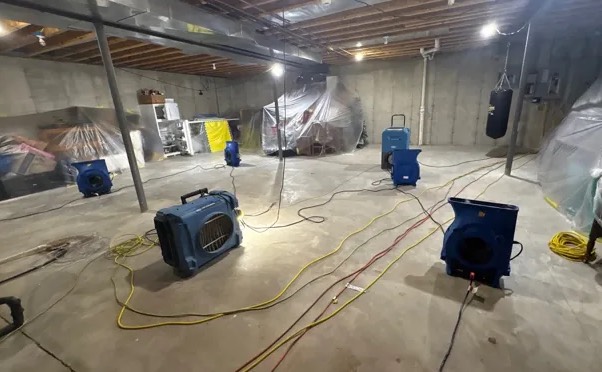
Expert Basement Water Damage Restoration Serving Wakefield
Basements collect water from every direction: rain seeping through walls, groundwater pushing up through the slab, sewage backing up through floor drains and pipes bursting overhead. In a Wakefield home with a basement or below-grade room, any of these can leave inches of water on the floor.
Homeowners in Wakefield can call (857) 367-8060 day or night when water is rising in the basement. Service also covers Reading, Stoneham and Melrose, with the same pumping and drying steps.
Basement Water Damage Restoration Services in Wakefield
Basement Mold Prevention
Keeping basement humidity low after drying helps prevent mold from returning, especially in finished spaces.
Basement Floor Water Removal
Wet carpet pad is removed from basement floors, since it holds water against the concrete and dries poorly.
Basement Sewer Backup Cleanup
Sewage that backs up through a floor drain or toilet is extracted with protective gear, and the area is contained from the rest of the house.
Basement Dehumidification
A basement with no moisture problem before the flood may still need a dehumidifier afterward while the concrete dries.
Emergency Basement Flood Cleanup
Help is available any hour when water is rising in the basement from a burst pipe, a sewer backup or heavy rain.
How to Know You Need Basement Water Damage Restoration in Wakefield
Wet or Stained Basement Walls
Dark, wet patches or tide lines on basement walls show where water seeped in or wicked up.
Rusted Appliances or Pipes
Rust on the water heater, furnace base or pipes points to repeated moisture or past flooding.
Damp or Musty Odors
A damp, earthy or musty smell in the basement often means hidden moisture in walls, carpet or the slab.
Warped or Buckling Basement Floors
Laminate, wood or vinyl flooring that buckles or lifts in the basement has water underneath.
How Basement Water Damage Restoration Works in Wakefield
Step 1: Water Removal
Pumps and extractors remove standing water from the basement floor, starting at the lowest point.
Step 2: Targeted Moisture Evaporation
Air movers are aimed at wet walls, framing and the slab to speed evaporation.
Step 3: Humidity Control
Large dehumidifiers pull moisture from the basement air, with readings checked every day.
Step 4: Final Verification and Restoration
Final readings confirm the basement is dry, and the space is ready for drywall and flooring repairs.
Why Basement Water Damage Occurs in Wakefield
Faulty Basement Waterproofing
Old or failed waterproofing on foundation walls lets water through during wet weather.
Window Well Flooding
Window wells without drains or covers fill with rain and leak through basement windows.
Water Heater or Appliance Leaks
Water heaters, washers and utility sinks in the basement can leak or fail without warning.
Foundation Cracks and Leaks
Cracks in foundation walls let groundwater and melting snow seep into the basement.
Basement Water Damage Restoration for All Properties in Wakefield
Residential Basement Water Damage Restoration
Finished basements used as living space need carpet, pad and lower drywall checked carefully. Soaked materials are removed so the walls and slab can dry.
Commercial Basement Water Damage Restoration
Businesses with below-grade storage need inventory moved out of the water quickly. Wet stock is separated and documented for insurance.
DIY vs. Professional Basement Water Damage Restoration in Wakefield
Sewage in a basement should not be cleaned up without gloves, boots and eye protection. For any backup through a floor drain or toilet, call local water removal pros.
What Influences Basement Water Damage Restoration Cost in Wakefield
A basement pumped and dried right away in Wakefield usually costs less than one left wet for days, when more drywall and flooring are lost.
Water Category
Clean water costs less to handle than sewage, which needs protective gear, removal and disinfection.
Secondary Damage
Damage to furnaces, water heaters and belongings adds repair and replacement costs.
Emergency Service
Night, weekend and storm calls can cost more than a scheduled visit.
Does Insurance Cover Basement Water Damage Restoration?
Coverage for groundwater seepage and backups varies widely between policies. Ask your adjuster whether your policy includes it before work begins.
Reasons to Hire Local Pros for Basement Water Damage Restoration in Wakefield
Industrial-Grade Equipment
Pumps, extractors and large dehumidifiers remove water much faster than household wet vacs and fans.
Advanced Moisture Detection
Moisture meters and thermal cameras find water in walls and slabs that looks dry.
Water Extraction First
Water is removed from floors, carpet and pad before drying starts, which shortens drying time.
Emergency Basement Water Damage Restoration Available in Wakefield
A flooded basement damages walls, furnaces, water heaters and belongings quickly. Call (857) 367-8060 for basement water damage restoration in Wakefield at any hour.
Call Now (857) 367-8060Regions Served for Basement Water Damage Restoration Near Wakefield
Help with basement water damage restoration reaches Reading, Stoneham and Melrose, plus other communities around Wakefield, for finished and unfinished basements alike.
- Basement Water Damage Restoration in Reading
- Basement Water Damage Restoration in Stoneham
- Basement Water Damage Restoration in Melrose
- Basement Water Damage Restoration in Saugus
- Basement Water Damage Restoration in Woburn
- Basement Water Damage Restoration in Malden
- Basement Water Damage Restoration in Winchester
- Basement Water Damage Restoration in North Reading
- Emergency Damage Restoration in 01880
- Storm Damage Restoration in 01880
- Water Damage Restoration in 01880
- Water Extraction Service in 01880
- Water Leak Detection in 01880
- Water Removal Service in 01880
FAQ for Basement Water Damage Restoration in Wakefield
What are signs of hidden moisture after below-grade water extraction?
Musty smells, tide lines on walls, damp carpet edges and moisture readings that stay high in walls or the slab.
How long does below-grade drying take after a flood?
Often several days or longer, since concrete and cool basement air dry slowly. Daily readings show progress.
What is involved in basement water damage restoration?
Pumping out water, removing soaked materials, cleaning contaminated areas, drying walls, framing and concrete, and dehumidifying until readings are normal.
What equipment is used for below-grade water damage repair?
Submersible pumps, extractors, air movers, large dehumidifiers, moisture meters and air scrubbers for dust and odor.
How is basement sewer backup cleanup different from regular flooding?
Sewage carries bacteria, so it needs protective gear, removal of porous materials and disinfection before drying.