Newton, MA · Middlesex County
Attic Damage Restoration in Newton, MARoof Leak Water Cleanup & Attic Pipe Leak Cleanup
Attic Damage Restoration in Newton for homeowners covers wet attic insulation removal, attic pipe leak cleanup and attic water extraction.
Answered 24/7
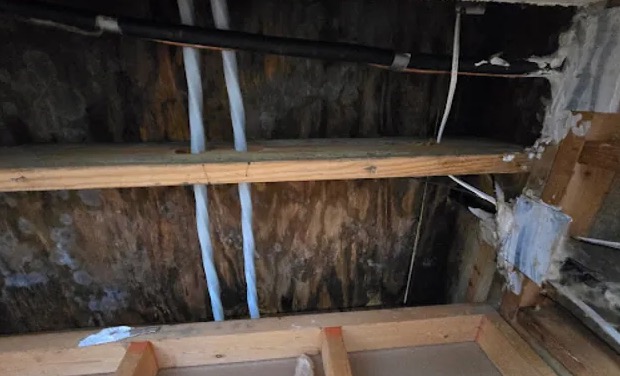
Attic Leak Cleanup and Drying in Newton
Homes in Newton with air handlers in the attic see a lot of condensate leaks. A clogged drain line or rusted pan can soak a wide strip of insulation.
In Newton, attic leaks come from roofs, condensate drains and plumbing. The pros remove wet insulation and dry the wood, with the same help available in Watertown, Waltham and Needham.
Attic Damage Restoration and Attic Drying
Roof Leak Water Cleanup
After a roof leak is tarped or repaired, the decking, rafters and ceiling below still hold water. Air movers and dehumidifiers dry them before rot or mold can start.
Attic Pipe Leak Cleanup
Supply lines, water heater lines and drain vents that run through attics can crack or loosen. The pros help isolate the leak, remove the water and dry the framing around it.
HVAC Condensate Leak Cleanup
An air handler in the attic makes gallons of condensate on a hot day. When the drain line clogs or the pan rusts through, that water soaks the insulation and the ceiling below.
Storm Water Attic Cleanup
After a storm, water can enter at many points at once. The pros check the full attic, not just the area over the stain, and dry each wet spot.
Wet Attic Insulation Removal
Damp insulation can take weeks to dry on its own and starts to smell. Removing it lets air reach the ceiling and framing so drying takes days instead.
Signs of a Leak in Your Attic
Musty Smell Upstairs
A damp, musty smell in upper rooms or the attic often means wet insulation or wood that is not drying.
Frost on Nails in Winter
Frost on nail tips in a cold attic melts on warm days and drips onto insulation, a sign of moist air and poor venting.
Dripping From Light Fixtures or Vents
Water from a ceiling fixture or vent means it is already in the ceiling. Turn off that circuit and call for help.
Wet or Matted Insulation
Insulation that looks flattened, stained or clumped has been soaked and is holding water against the ceiling.
How Attic Damage Restoration Works in Newton
Step 1: Storm Water Inspection
After a storm, the pros check the whole attic for wet spots at vents, flashing and damaged roofing.
Step 2: Attic Flood Cleanup
Storm water is removed from the insulation and decking, and soaked material is bagged and taken out.
Step 3: Drying After the Roof Is Covered
Once a roofer has tarped or repaired the roof, drying equipment is set across every wet area.
Step 4: Checking the Rooms Below
Ceilings and walls in the rooms under the attic are checked and dried so hidden water does not stay behind.
What Causes Attic Leaks
Storm Damage to the Roof
High winds, hail and fallen limbs can open the roof and let wind-driven rain into the attic.
Blocked or Poor Attic Venting
Without enough airflow, moist air from the house collects in the attic and dampens the wood and insulation.
Bathroom Fans Venting Into the Attic
Exhaust fans that end in the attic instead of outside put warm, wet air straight onto the decking.
Ice Dams at the Eaves
Melting and refreezing snow at the eaves can push water under the shingles and into the attic.
Attic Damage Restoration for Houses and Commercial Buildings
Attic Damage Restoration for Homeowners
When a pipe leaks in the attic, the pros help shut it off, remove the water and wet insulation and dry the framing around it.
Attic Damage Restoration for Businesses and Property Managers
Property managers in Newton get written moisture records for each space, which help with insurance claims and repair planning.
DIY Risks vs. Professional Attic Drying
If the leak is from an AC drain, you can switch off the unit to stop more water. The wet insulation and ceiling still need to be removed or dried.
Pricing for Attic Damage Restoration in Newton
Removing and disposing of wet insulation is often a large part of the bill, along with replacing it once the attic is dry.
Drying Time
Thick decking and rafters can take several days to dry, and equipment cost depends on how long it runs.
Source of the Water
Clean water from a pipe or AC drain is simpler to handle than storm water that brought in dirt and debris.
Ceiling Damage Below
Sagging or soaked ceiling drywall that must be removed and replaced raises the total.
Does Insurance Cover Attic Damage Restoration?
Storm damage to the roof is usually covered under the wind or hail part of a policy. Keep photos of the attic and the ceiling below before cleanup starts.
Reasons to Call Attic Water Removal Pros in Newton
Homes and Businesses
The same process works for a house attic or the space above a commercial ceiling.
Finding All the Wet Areas
Moisture meters and thermal cameras show where water ran along the framing, not just the spot over the stain.
Help at Any Hour
Water in the ceiling cannot wait. Call (857) 367-8060 any time, day or night.
Round-the-Clock Attic Damage Restoration in Newton
For a pipe leak in the attic, shut off the main water valve and call (857) 367-8060. Help is available every day of the year.
Call Now (857) 367-8060Where Attic Damage Restoration Is Available Near Newton
Attic leak cleanup is available throughout Newton, Watertown, Waltham and Needham, any day of the year.
Attic Damage Restoration in Newton: Your Questions
What should I do while I wait for help?
Turn off power to wet fixtures, put buckets under drips, move belongings out of the room below and take photos for your insurer.
Does a roof leak always cause attic damage?
Not always. A small, brief leak may only wet a little decking. Most leaks that reach the ceiling have also soaked insulation and framing.
Do the pros fix the roof?
No. A roofer repairs or tarps the roof. The pros remove the water and wet insulation and dry the attic once the roof is covered.
Can wet attic insulation be saved?
Usually not. Soaked insulation packs down and holds water, so it is removed and replaced once the attic is dry.
What causes most attic leaks?
Roof leaks, clogged AC condensate drains, pipe leaks, storm damage and poor venting cause most attic water damage.