Melrose, MA · Middlesex County
Attic Water Removal in Melrose, MAAttic Moisture Inspection & Attic Leak Water Cleanup
For a storm leak, Attic Water Removal in Melrose means emergency attic water extraction, roof leak water removal and attic moisture inspection.
Answered 24/7
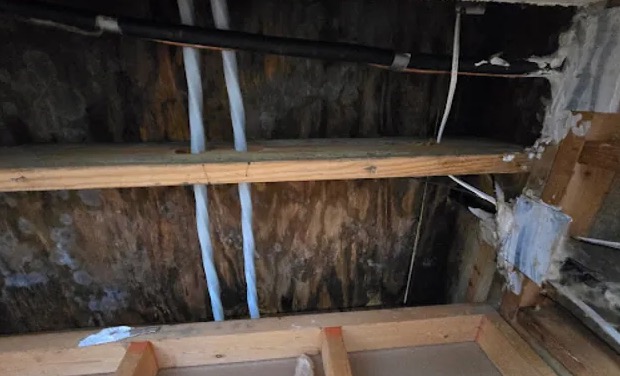
Expert Attic Water Removal for Melrose
Attic leaks that run for a long time in Melrose can rot roof decking and rust fasteners. Even after the roof is fixed, that wood stays wet unless it is dried.
Homeowners in Melrose can call (857) 367-8060 day or night when water starts coming through the ceiling. Service also covers Malden, Stoneham and Saugus, with the same inspection and drying steps.
Comprehensive Attic Water Removal Offerings
Attic Moisture Inspection
Readings are recorded at the start and at each visit, giving a clear drying history for your records and insurer.
Attic Leak Water Cleanup
Water-stained debris, wet cardboard and soaked stored items are cleared out so the attic floor can be dried.
Roof Leak Water Removal
Rainwater from a roof leak is removed from the attic, and the wet path along the decking is followed back to where it entered.
Ceiling Water Damage Cleanup
Fallen drywall, wet insulation and debris in the room below are cleaned up, and floors and furniture are protected during the work.
Attic Drying Services
Equipment is adjusted daily, moving airflow from areas that are dry to areas that still read wet.
Warning Signs You Need Attic Water Removal
Rotting Wood on Attic Beams
Soft, dark or crumbling wood on rafters and beams points to long-term moisture.
Wet or Damp Attic Insulation
Insulation that feels damp, looks dark or has packed down in one area has absorbed water.
Visible Mold in Attic Spaces
Dark spots on rafters or roof decking mean the wood has stayed damp for days or longer.
Water Stains on Ceiling
A brown ring or yellow patch on an upstairs ceiling usually means water is sitting on the drywall from the attic.
How Attic Water Removal Works in Melrose
Step 1: Containment and Safety Setup
Power to wet fixtures is shut off and plastic sheeting protects the room below.
Step 2: Roof Leak Water Removal and Cleanout
Rainwater is removed, a tarp is placed over roof damage, and wet debris is cleared.
Step 3: Moisture Evaporation and Attic Drying
Equipment runs on safe footing in the attic, with readings checked each day.
Step 4: Validation of Dry Conditions
Final readings are compared to dry areas to confirm the attic is ready for new insulation.
Typical Sources of Attic Water Damage
Burst or Leaking Plumbing Pipes
Supply lines and drain pipes in the attic can crack or burst onto the ceiling.
HVAC System Leaks or Drain Pan Overflow
An attic air handler overflows when its condensate line clogs or the drain pan cracks.
Condensation From Poor Attic Ventilation
Moist air from the house condenses on roof decking when attic ventilation is poor.
Overflow From Clogged Bathroom Exhaust Ducts
Bathroom fan ducts that are loose or vented into the attic release moisture onto the wood.
Both Residential & Commercial Attic Water Removal
Residential Attic Water Removal
Homeowners with stored items in the attic need those moved out first. Wet boxes are dried or discarded before the attic floor is cleaned and dried.
Commercial Attic Water Removal
Offices and stores need the space below protected while attic work is under way. Drying is planned around business hours where possible.
The Risks of DIY Attic Water Removal in Melrose
Catching drips with a bucket and moving furniture out of the way is a smart first step. Call local attic drying specialists if water is pooling in the attic, the ceiling is stained or sagging, or insulation is wet.
Attic Water Removal Cost in Melrose, MA
Tight attic access, blown-in insulation removal and storm-night calls all add to the total for attic water removal in Melrose.
Drying Time Required
Dense wood framing can take several days to dry, which adds equipment time.
Type of Insulation Affected
Blown-in insulation takes more time to remove than batts, and both add disposal costs.
Mold Prevention Measures
Antimicrobial treatment of wood that stayed wet is an added step, priced by area.
Does Insurance Cover Attic Water Removal?
Photos, moisture readings and drying logs from local attic drying specialists help support an insurance claim for attic water damage in Melrose.
Advantages of Hiring Local Pros for Attic Water Removal in Melrose
Dehumidification Equipment
Dehumidifiers sized for the attic remove moisture much faster than roof vents and open hatches alone.
Mold Inhibitor Application
Wood that stayed wet can be treated with an antimicrobial after it is dried.
24/7 Emergency Response
Help is available day or night when water is coming through the ceiling.
24/7 Emergency Attic Water Removal in Melrose
Ceiling sagging under the weight of water? Keep people out of the room below and call (857) 367-8060 now for attic water removal in Melrose.
Call Now (857) 367-8060Local Attic Water Removal Coverage Area
Help with attic water removal is also available in communities near Melrose, including Malden, Stoneham and Saugus, for roof leaks and attic plumbing failures.
- Attic Water Removal in Malden
- Attic Water Removal in Stoneham
- Attic Water Removal in Saugus
- Attic Water Removal in Everett
- Attic Water Removal in Medford
- Attic Water Removal in Wakefield
- Attic Water Removal in Winchester
- Attic Water Removal in Revere
- Emergency Damage Restoration in 02176
- Storm Damage Restoration in 02176
- Water Damage Restoration in 02176
- Water Extraction Service in 02176
- Water Leak Detection in 02176
- Water Removal Service in 02176
Your Attic Water Removal FAQs Resolved
What equipment is used for attic water extraction?
Wet vacs, pumps, air movers, dehumidifiers, moisture meters and thermal cameras, plus vacuums for wet insulation.
What does water damaged attic restoration include after drying?
New insulation, any decking or framing repairs, and ceiling drywall replacement and paint in the room below.
What is an attic moisture inspection?
A check of rafters, decking, insulation and the ceiling below with moisture meters and thermal cameras to find all wet areas.
Can I remove attic water myself?
Only small amounts that are easy to reach safely. Pooled water and soaked insulation need safe footing and drying equipment.
What causes attic water damage?
Roof leaks, plumbing failures, attic AC overflows, water heater leaks, loose bath fan ducts and poor ventilation.