Wilmington, MA · Middlesex County
Antimicrobial Treatment Services in Wilmington, MABathroom Mold Treatment & HVAC Duct Sanitization
After a leak, Antimicrobial Treatment Services in Wilmington cover bathroom mold treatment, kitchen surface disinfection and post flood disinfection services.
Answered 24/7
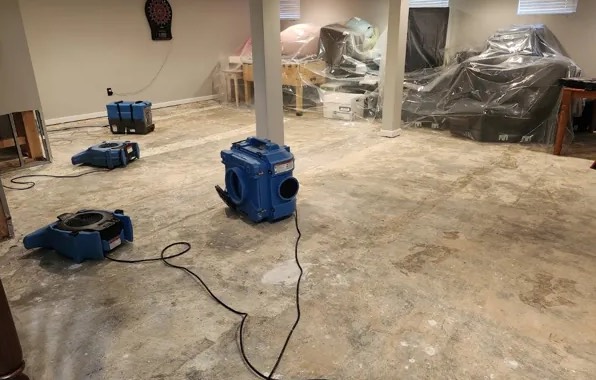
Local Antimicrobial Treatment Services for Wilmington Properties
Water damage leaves more than wet floors behind. Floodwater, sewage and long-standing leaks can leave bacteria, odors and staining on the surfaces that stay in a Wilmington home after cleanup.
Property owners in Wilmington can call (857) 367-8060 to schedule treatment after a leak or flood, or day or night after a sewage backup. Service also covers Burlington, Reading and Woburn.
Comprehensive Antimicrobial Treatment Services for Wilmington Homes
Bathroom Mold Treatment
Damaged caulk and stained drywall near a shower are removed, the area is dried, and an antimicrobial is applied before new materials go in.
HVAC Duct Sanitization
Registers, plenums and reachable duct runs are cleaned and treated so the system does not spread odor through the house.
Mold Remediation Antimicrobial Treatment
Remaining studs, joists and sheathing are cleaned, then coated with an antimicrobial so leftover spores have a harder time taking hold again.
Post Flood Disinfection Services
Floodwater carries soil, bacteria and debris. After extraction, floors, walls and cabinets it touched are cleaned and then treated with a disinfectant.
Basement Mold Prevention Treatment
Basements stay humid, so treatment is paired with dehumidification and fixing the leak or seepage that let the water in.
Signs You Need Professional Antimicrobial Treatment
Peeling Paint or Warped Drywall
Bubbling paint, soft drywall or warped trim show water got into the material, which may need removal before treatment.
Recurring Mold After Cleaning
Spots that come back after cleaning usually mean the material is still wet inside or the leak was never fixed.
Visible Mold on Surfaces
Dark spots on drywall, wood or grout after a leak mean the surface stayed wet long enough to need cleaning and treatment.
Poor Airflow From HVAC Vents
A musty smell from vents or weak airflow can mean moisture reached the ductwork or air handler.
How Antimicrobial Treatment Services Work in Wilmington
Step 1: Site Evaluation
The pros look at how long materials were wet, the type of water involved and where moisture remains.
Step 2: HEPA Vacuuming and Dry Cleaning
Loose debris and dust are removed with HEPA vacuums before any liquid product is applied.
Step 3: Wet Cleaning With Disinfectant Solutions
Surfaces are scrubbed or wiped with a disinfectant suited to the material and the contamination.
Step 4: Preventative Treatment and Documentation
A final antimicrobial coat is applied where needed, and photos and product details are recorded.
Factors Contributing to Surface Sanitizing Issues in Wilmington
Foundation Cracks and Groundwater
Groundwater seeping through foundation cracks keeps lower walls and slabs wet over long periods.
High Indoor Humidity Levels
Constant high humidity keeps materials damp enough for mold, even without a single large leak.
Inadequate Drying After Water Damage
Water damage that was mopped up but never fully dried leaves moisture inside walls and under floors.
Condensation on Cold Surfaces
Warm, humid air condensing on cold pipes, ducts and windows keeps nearby surfaces wet.
Residential and Commercial Antimicrobial Treatment Services in Wilmington
Residential Antimicrobial Treatment Services
At home, treatment usually follows a sewage backup, a flooded floor or a leak found inside a wall. Kitchens, bathrooms and crawl spaces are the most common areas treated after drying.
Commercial Antimicrobial Treatment Services
In offices, restaurants and stores, treatment is planned around business hours where possible. Surfaces used by staff and customers are cleaned and disinfected before the space reopens.
When DIY Fails: Antimicrobial Treatment Services in Wilmington
Wiping small hard surfaces with a household disinfectant after a clean water spill is fine. Call local surface sanitization experts if the water was sewage or floodwater, or if materials stayed wet for more than a couple of days.
Understanding Antimicrobial Treatment Services Expenses in Wilmington
A sewage backup in Wilmington costs more to treat than a clean water leak, because more material is removed and every surface it touched is disinfected.
Post-Cleaning Requirements
Materials that must be removed and replaced before treatment add to the total.
Contamination Severity
Sewage and floodwater need more removal and disinfection than a clean water leak, which raises the cost.
Odor Elimination Needs
Lingering odor may need extra cleaning or deodorizing steps beyond the antimicrobial.
Does Insurance Cover Antimicrobial Treatment Services?
Take photos before cleanup starts and keep receipts for any emergency work, such as sewage extraction done at night. Both help when you file a water damage claim.
Advantages of Local Pros for Antimicrobial Treatment Services in Wilmington
Containment to Prevent Cross-Contamination
Plastic sheeting and controlled airflow keep contamination out of clean rooms during work.
Use of EPA-Registered Agents
Products are EPA-registered and applied according to their label directions, including re-entry times.
24/7 Emergency Response
Help is available day or night for sewage backups and other contaminated water.
Emergency Antimicrobial Treatment in Wilmington
If floodwater or sewage reached living areas, keep children and pets away and call (857) 367-8060. Help is available day or night in Wilmington.
Call Now (857) 367-8060Antimicrobial Treatment Services in Wilmington
Nearby areas served for antimicrobial treatment services include Burlington, Reading and Woburn, with the same clean, dry and treat process used in Wilmington.
- Antimicrobial Treatment Services in Burlington
- Antimicrobial Treatment Services in Reading
- Antimicrobial Treatment Services in Woburn
- Antimicrobial Treatment Services in Billerica
- Antimicrobial Treatment Services in North Reading
- Antimicrobial Treatment Services in Tewksbury
- Antimicrobial Treatment Services in Andover
- Antimicrobial Treatment Services in Stoneham
- Emergency Damage Restoration in 01887
- Storm Damage Restoration in 01887
- Water Damage Restoration in 01887
- Water Extraction Service in 01887
- Water Leak Detection in 01887
- Water Removal Service in 01887
Answers to Top Antimicrobial Treatment Services Questions
How long does odor removal take after water damage cleanup?
Often a few days. Odor fades once wet materials are removed and dried, and extra deodorizing is used if a smell remains.
How soon after a flood should post flood disinfection begin?
Right after the water is removed and soaked materials are taken out. Surfaces are cleaned first, then disinfected and dried.
Why is emergency sewage sanitization different from regular cleaning?
Sewage and contaminated water carry bacteria and other contaminants, so they need protective gear, containment and disinfection, not just drying.
What is the purpose of antimicrobial treatment in a crawl space?
To slow microbial growth on wood that got wet, once the space is dried and the moisture source is fixed.
Is HVAC duct sanitization useful after water damage?
It can be, if water or damp air reached the ducts. Ducts are cleaned first, and the moisture source is fixed before any treatment.