Lexington, MA · Middlesex County
AC Unit Water Removal in Lexington, MAAir Conditioner Restoration Services & AC Leak Mold Prevention
AC Unit Water Removal in Lexington handles AC drain pan water extraction, AC leak water cleanup and AC leak mold prevention before the water spreads.
Answered 24/7
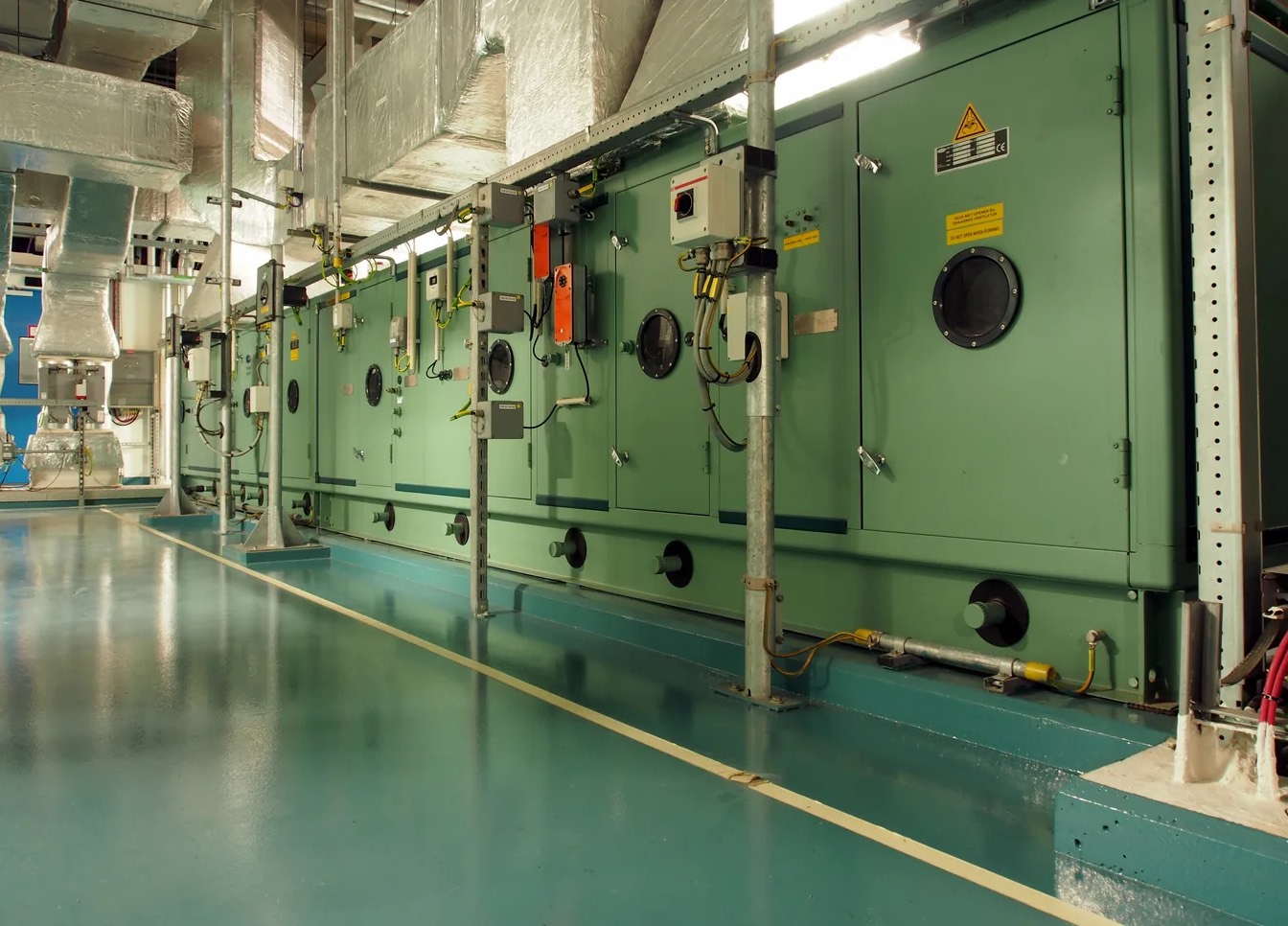
Local AC Unit Water Removal Services in Lexington, Massachusetts
Attic air handlers in Lexington leak straight into the ceiling below. A sagging or stained ceiling under the unit means water is already in the drywall and possibly the insulation above it.
In Lexington, AC leaks usually show up as ceiling stains under attic units, wet carpet near the furnace closet or water dripping from a vent. Help with AC unit water removal is available across Lexington and in Arlington, Bedford and Burlington, day or night, with extraction, drain clearing and drying.
The AC Unit Water Removal Process in Lexington, MA
Air Conditioner Restoration Services
After drying, damaged drywall, trim or ceiling panels near the unit can be replaced and repainted.
AC Leak Mold Prevention
Surfaces that stayed damp, such as framing under the air handler, are treated after drying so leftover spores have less to feed on.
Wet AC Unit Component Drying
Wet blower motors, panels and wiring are dried with gentle airflow and dehumidifiers rather than direct heat, which lowers the risk of corrosion and shorts.
AC Condensate Drain Clearing
The PVC drain line is cleared with suction or a flush, and the trap is checked so water stops backing up into the pan.
AC Drain Pan Water Extraction
A soaked pan in an attic unit is a ceiling leak waiting to happen. Extracting it quickly protects the drywall underneath.
How to Know You Need AC Unit Water Removal in Lexington
AC Drain Pan Overflow
Water at the rim of the drain pan, or in the secondary pan, means the condensate line is blocked.
Condensation Line Dripping
A condensate line that drips inside instead of outside has a crack, loose fitting or clog.
Visible Mold Near AC
Dark spots on drywall or framing near the unit mean the area has stayed wet for days.
Reduced Cooling Efficiency
A clogged drain can trip a float switch or starve the coil of airflow, so the system runs longer and cools less.
How AC Unit Water Removal Works in Lexington
Step 1: Leak Assessment
The pros find the source of the leak, check how far the water spread and take moisture readings.
Step 2: Source Stop and Water Removal
The drain is cleared or the leaking part isolated, then standing water is extracted from every wet area.
Step 3: System Drying and Dehumidification
Drying equipment runs until walls, floors and insulation test dry, with readings taken at each visit.
Step 4: Verification and Restoration
Final readings confirm the materials are dry, then damaged drywall, trim or ceiling panels can be replaced.
Common Causes of AC Water Damage in Lexington
Improper AC Unit Installation
A unit that is not level, or a drain line without enough slope, lets water pool instead of draining.
Dirty Air Filters
A clogged filter cuts airflow, which can freeze the coil and cause overflow when it melts.
Excess Outdoor Humidity
Very humid air makes the coil produce more water than a partly clogged drain can carry.
Failed Condensate Pump
Units that pump condensate uphill depend on a small pump. When it fails, the reservoir overflows.
Expert AC Unit Water Removal for Any Property in Lexington
Residential AC Unit Water Removal
For homeowners, the main risk is water soaking into insulation and drywall where no one sees it. Moisture meters find that hidden water so it can be dried before it causes rot.
Commercial AC Unit Water Removal
For property managers, one leaking unit can affect several suites or the floor below. Each wet area is extracted, dried and documented for the owner and insurer.
The Risks of DIY AC Unit Water Removal in Lexington
You can turn off the AC, empty the pan and towel up a puddle yourself. Moisture already inside drywall or subflooring is harder, because it takes meters to find and drying equipment to remove it.
Factors Influencing AC Unit Water Removal Cost in Lexington
Drying equipment is usually billed by the day, so how long materials stay wet matters. Starting quickly in Lexington shortens drying time and lowers the total.
Emergency Service Timing
After-hours and holiday response can cost more than a scheduled weekday visit.
Leak Source and Severity
A slow drip near the closet costs less to fix than an attic overflow that soaked a ceiling and the room below.
Affected Component Count
The more of the system that got wet, such as the blower, panels and insulation, the more drying time is needed.
Does Insurance Cover AC Unit Water Removal?
Photos, moisture readings and a written scope from local air conditioner restoration pros help support an insurance claim for AC water damage in Lexington. Keep copies of everything you send your adjuster, along with your own photos.
Advantages of Hiring Local Pros in Lexington for AC Unit Water Removal
Preventative Microbial Treatment
Optional antimicrobial treatment can be applied to wood and drywall that stayed wet for days.
Drain Pan Extraction
Both the main pan and the safety pan are emptied and checked for damage.
Focus on Component Preservation
Wet blower motors and wiring are dried gently to lower the risk of corrosion and electrical faults.
24/7 Emergency AC Unit Water Removal Response in Lexington
Do not wait for a stained ceiling to start sagging under the weight of the water. Call (857) 367-8060 now for AC unit water removal in Lexington and get the drying started.
Call Now (857) 367-8060Local AC Unit Water Removal Coverage for Lexington, Arlington, Bedford and Burlington
Help with AC unit water removal is also available in communities near Lexington, including Arlington, Bedford and Burlington, for leaking air handlers and overflowing drain pans.
- AC Unit Water Removal in Arlington
- AC Unit Water Removal in Bedford
- AC Unit Water Removal in Burlington
- AC Unit Water Removal in Belmont
- AC Unit Water Removal in Woburn
- AC Unit Water Removal in Winchester
- AC Unit Water Removal in Waltham
- AC Unit Water Removal in Watertown
- Emergency Damage Restoration in 02420
- Storm Damage Restoration in 02420
- Water Damage Restoration in 02420
- Water Extraction Service in 02420
- Water Leak Detection in 02420
- Water Removal Service in 02420
- Emergency Damage Restoration in 02421
- Storm Damage Restoration in 02421
Frequently Asked Questions About AC Unit Water Removal in Lexington
Is air conditioner restoration separate from water removal?
Yes. Water removal and drying come first. Restoration covers repairs afterward, such as replacing drywall or ceiling panels.
What happens during AC water extraction?
Pumps and extractors remove water from the pan, floor and carpet, then moisture meters check walls and subfloor for hidden water.
Why does the drain pan need to be emptied?
A full pan overflows into ceilings and floors. Emptying and inspecting it stops the spill and shows whether the pan is cracked.
Can an AC condensation leak damage the ceiling?
Yes. Attic units leak straight into the drywall below, causing stains, sagging and eventually collapse if left alone.
Does homeowners insurance cover water damage from an HVAC unit?
Sudden leaks are often covered, but slow leaks and the unit itself usually are not. Check your policy.